Ultimate Guide: What to Visit in Split, Croatia
Welcome to Split, Croatia’s stunning coastal gem where history and modern charm blend effortlessly with Mediterranean sunshine. This city offers more than just a scenic backdrop for your island-hopping adventures—Split is a vibrant destination rich with Roman heritage, lively streets, and breathtaking natural beauty.
 Why Visit Split?
Split isn’t just a gateway to Croatia’s islands; it’s a captivating city where ancient Roman ruins sit beside trendy cafes and bustling markets. A UNESCO World Heritage site that feels like the liveliest neighborhood bar, Split invites history enthusiasts, beach lovers, and foodies alike to explore its unique atmosphere. The city’s vibe is a perfect mix of Mediterranean warmth and historical grandeur.
 Top Attractions to Visit in Split
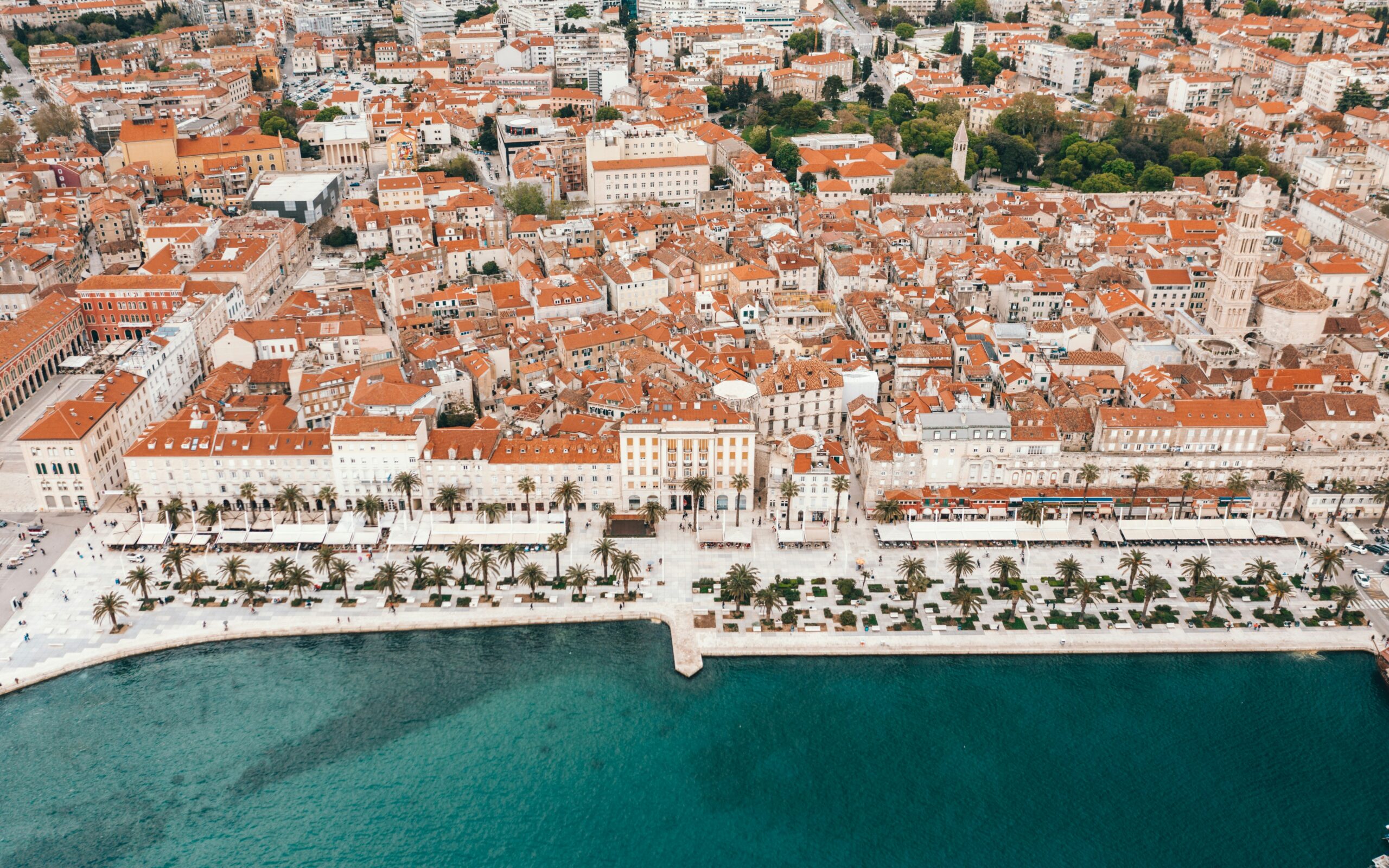
- Diocletian’s Palace: Step back in time within this sprawling 4th-century palace complex, now a living labyrinth filled with shops, restaurants, and locals. Key highlights include the Peristyle Square, Cathedral of Saint Domnius, and the Temple of Jupiter—offering history and photo ops at every turn. Remember to wear comfortable shoes as you’ll want to explore every corner.
- Riva Promenade: The vibrant waterfront heart of Split, perfect for relaxing with a coffee while enjoying the views, street music, and lively terraces. As the sun sets, Riva comes alive with local energy and stunning harbor views.
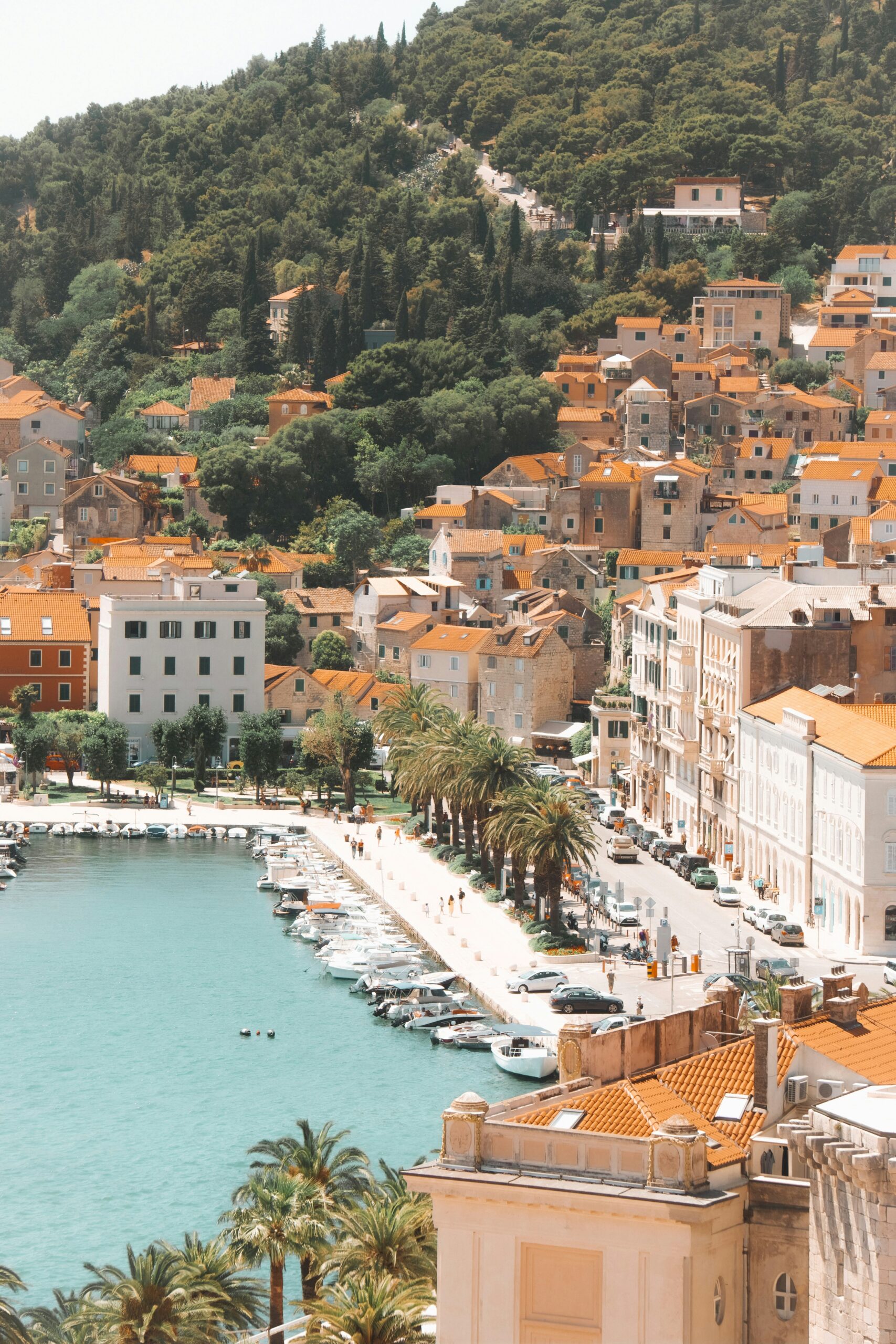
- Marjan Hill: Escape the city buzz and climb or stroll up Marjan Hill for panoramic views of Split and the Adriatic Sea. Don’t miss the hidden 13th-century St. Nicholas Church and the inviting Bene Beach below for a nature-infused day.
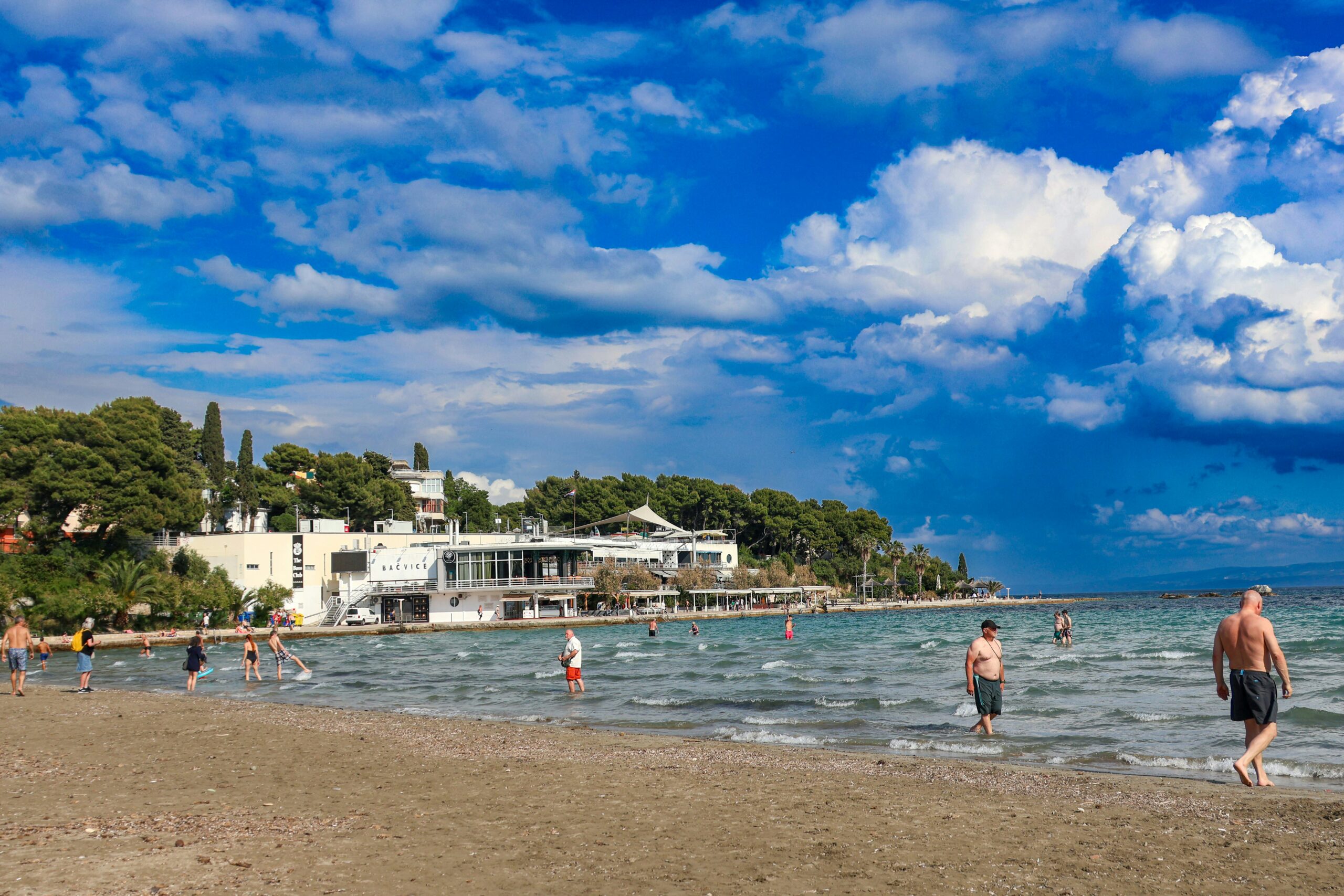
- Bacvice Beach: Known for its sandy shores and clear waters, Bacvice is the local favorite spot to unwind and join in the traditional game of picigin. Visit at sunset to experience its magical atmosphere alongside beach bars and lively music.
- Split City Museum and Gallery of Fine Arts: Dive into the city’s rich history and art scene at these cultural gems that showcase everything from ancient artifacts to contemporary Croatian art.
Hidden Gems and Unique Experiences
Explore the charming Varos neighborhood, a tranquil area full of artisan shops and picturesque corners away from the tourist crowds. Visit the bustling Green Market (Pazar) to taste fresh local produce and mingle with locals. For a true Croatian experience, take a day trip to nearby islands like Hvar, Brac, and Vis, each offering unique landscapes and unforgettable memories.
Best Time to Visit Split
Avoid peak summer crowds in July and August by visiting during the milder, pleasant months of May-June or September-October. These shoulder seasons provide ideal weather and a more relaxed vibe to enjoy the city and its attractions.
Culinary Delights: What to Eat in Split
Savor traditional Dalmatian dishes such as Peka—slow-cooked meat and vegetables under an iron dome, black risotto made with squid ink, and fresh Adriatic seafood. Don’t forget to try Maraschino, a sweet cherry liqueur native to Split. Dining in a konoba (local tavern) will give you an authentic taste of Croatian hospitality.
Practical Tips for Visiting Split
Getting around is easiest on foot in the Old Town, with buses covering other areas. Accommodation ranges from luxury hotels to budget hostels, fitting every traveler’s needs. The local currency is the Croatian Kuna, but credit cards are widely accepted. English is commonly spoken, making navigation hassle-free.
Split promises an unforgettable blend of history, culture, and coastal beauty. Pack your bags, grab your sunhat, and prepare to explore this radiant Croatian jewel where every corner invites discovery and delight.